From Burnout to Balance: Why Providers Are Turning to Functional Medicine

The Shift No One Is Talking About—But Everyone Is Feeling
Across healthcare, something is changing—and providers are feeling it every day.
Not because they have stopped caring, but because they care too much to continue practicing in a system that often limits meaningful outcomes.
|
Burned Out
Emotional exhaustion is affecting providers across specialties.
|
Rushed
Short visits leave little room for deeper conversations.
|
Overloaded
Administrative demands continue to compete with patient care.
|
Many providers are now asking the same question:
“Is this really the best we can do for our patients?”
Patients Have Changed—And Medicine Is Catching Up
One of the biggest drivers behind this shift is not happening only inside clinics. It is happening online.
Patients now have access to an overwhelming amount of health information. Some of it is credible, some of it is misleading, but there is enough available to fundamentally change how patients approach their health.
Many patients search for health information before or after seeing a provider. They are also showing increased interest in wellness, prevention, longevity, and strategies that may help them function better—not simply manage disease after it appears.
|
Asking More Questions
Patients want to understand the reasoning behind their care.
|
Seeking Second Opinions
They are more willing to explore different clinical perspectives.
|
|
Exploring Alternatives
Patients are actively researching options beyond conventional pathways.
|
Looking for Root Causes
Symptom control alone may no longer meet their expectations.
|
Misinformation remains a challenge. However, there is also a growing population of patients who are more informed, proactive, and invested in their long-term health.
They are looking for providers who can meet them there.
When “Standard of Care” Is Not Meeting Expectations
Providers see the gap every day.
Patients may continue struggling with:
| Fatigue | Weight Gain | Hormonal Imbalance |
| Inflammation | Brain Fog | Mental Health Concerns |
Yet many are told that their results are normal or that there is nothing more to address.
This gap between clinical normal and optimal function is one reason functional medicine has gained traction.
Functional Medicine Is Not New—But Its Demand Is
Functional medicine has existed for years. What has changed is the level of patient demand, provider awareness, and public interest.
Healthcare has seen this pattern before.
What begins as “new” or “alternative” becomes patient-driven demand—and eventually becomes expected. Functional medicine appears to be following a similar trajectory.
A Better Way to Practice—With a New Set of Challenges
For many providers, stepping into functional medicine brings something they did not realize they were missing:
The ability to:
|
Spend more time with patients
|
Personalize treatment plans
|
|
Focus on prevention and optimization
|
Pursue meaningful, lasting outcomes
|
But there is a side of this transition that often is not discussed enough.
The Confidence Gap: Training vs. Implementation
Some providers do not know where to begin. Others invest in training but still do not feel confident applying what they learned in real-world practice.
Questions arise quickly:
This is where many providers stall—not because they lack interest or capability, but because they lack ongoing support.
Why Education Alone Is Not Enough
Education is essential. However, education without infrastructure and continued support can leave providers feeling like they are on their own.
What providers actually need includes:
|
Guidance
Continued clinical direction
|
Experience
Access to practiced clinicians
|
Support
Real-time help when questions arise
|
Systems
Easier clinical implementation
|
“Confidence in functional medicine does not come from training alone—it comes from support, repetition, and real-world application.”
Where an Ecosystem Changes Everything
At MyPracticeConnect®, we have worked with providers at every stage of this journey—from those who are just beginning to explore functional medicine to those actively building and scaling established practices.
What we have found is simple: confidence develops through support, repetition, access to experienced guidance, and the ability to ask questions as real cases arise.
That is why the MPC approach goes beyond education alone.
What Support Looks Like in Real Life
Providers within the MPC ecosystem have access to:
For many providers, this becomes the equivalent of training wheels—not because they are incapable, but because practicing medicine in a new way feels different.
Knowing they do not have to navigate that transition alone can create a level of confidence that changes everything.
Simplifying the Operational Side of Functional Medicine
Beyond clinical confidence, another major barrier remains:
Managing the following can quickly become overwhelming without the right infrastructure:
|
→ Multiple pharmacy relationships |
|
→ Product sourcing and availability |
|
→ Ordering and fulfillment workflows |
|
→ Patient follow-through and refill management |
Bringing It All Together—In One Place
This is where infrastructure matters.
Through the MPC platform, providers are able to:
|
Multiple Pharmacies
Order from multiple compounding pharmacies within a single system.
|
Direct Communication
Communicate more efficiently with participating pharmacy partners.
|
|
Transparent Options
Review available product options within a more centralized workflow.
|
Refill Support
Use systems designed to support patient continuity and follow-through.
|
The result is a more streamlined workflow across the practice—and as the functional medicine space continues to evolve, the platform continues to evolve with it.
What Is Coming Next
The next phase of functional medicine is not about adding more complexity. It is about creating greater simplicity, stronger support, and systems that can scale.
“The goal is not simply to adopt functional medicine. It is to sustain it successfully.”
From Burnout to Balance
The providers making this shift are not walking away from medicine.
They are redefining how it is practiced.
|
Better Outcomes
Care focused on meaningful progress
|
Stronger Relationships
More time and connection with patients
|
Sustainable Practice
A model that supports patients and providers
|
With the right ecosystem in place, functional medicine becomes not just possible—but powerful.
Whether you are exploring functional medicine or looking for a more supported way to implement it into your practice, MyPracticeConnect® provides the education, infrastructure, clinical support, and pharmacy access designed to help you move forward with confidence.
|
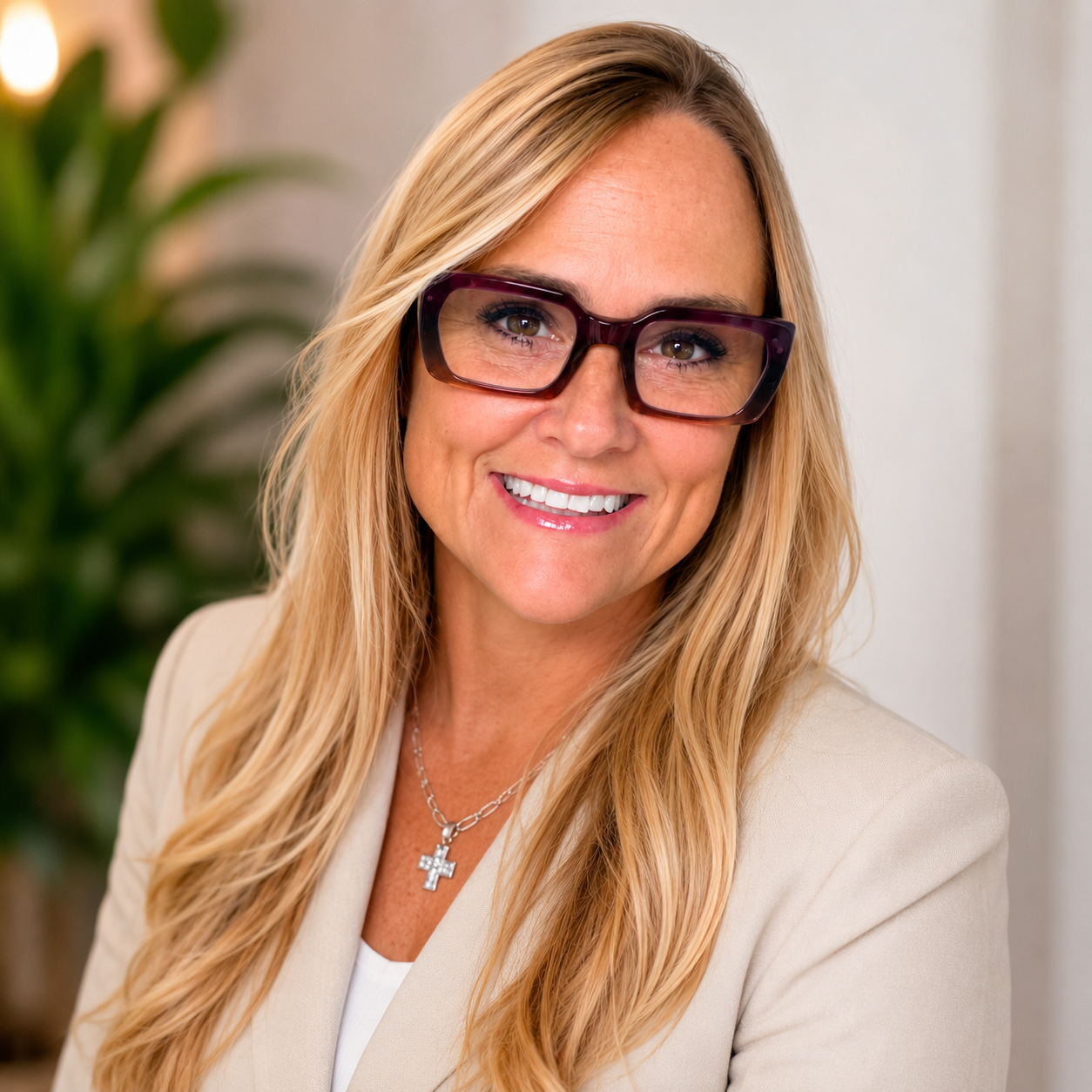
Written By
Shelley Junkin
Chief Operating Officer, MyPracticeConnect®
Shelley oversees operations and clinical content at MyPracticeConnect, supporting providers nationwide as they implement and grow functional and integrative medicine services.
|
This article is intended for educational and general practice-planning purposes only. It should not be interpreted as medical, legal, regulatory, reimbursement, or financial advice. Functional and integrative medicine services should be implemented according to applicable federal and state laws, professional licensing requirements, current clinical evidence, patient-specific evaluation, informed consent, and independent clinical judgment. MyPracticeConnect® does not replace a provider’s responsibility to determine whether any treatment, protocol, product, or service is appropriate for an individual patient.
- Pew Research Center. Research and reporting on how adults use the internet to access health and medical information.
- McKinsey & Company. Consumer wellness research examining demand for preventive health, personalization, and wellness-focused services.
- Cleveland Clinic. Educational resources discussing functional medicine and systems-based approaches to patient care.
- Institute for Functional Medicine. Educational materials and clinical resources related to functional medicine principles and implementation.