
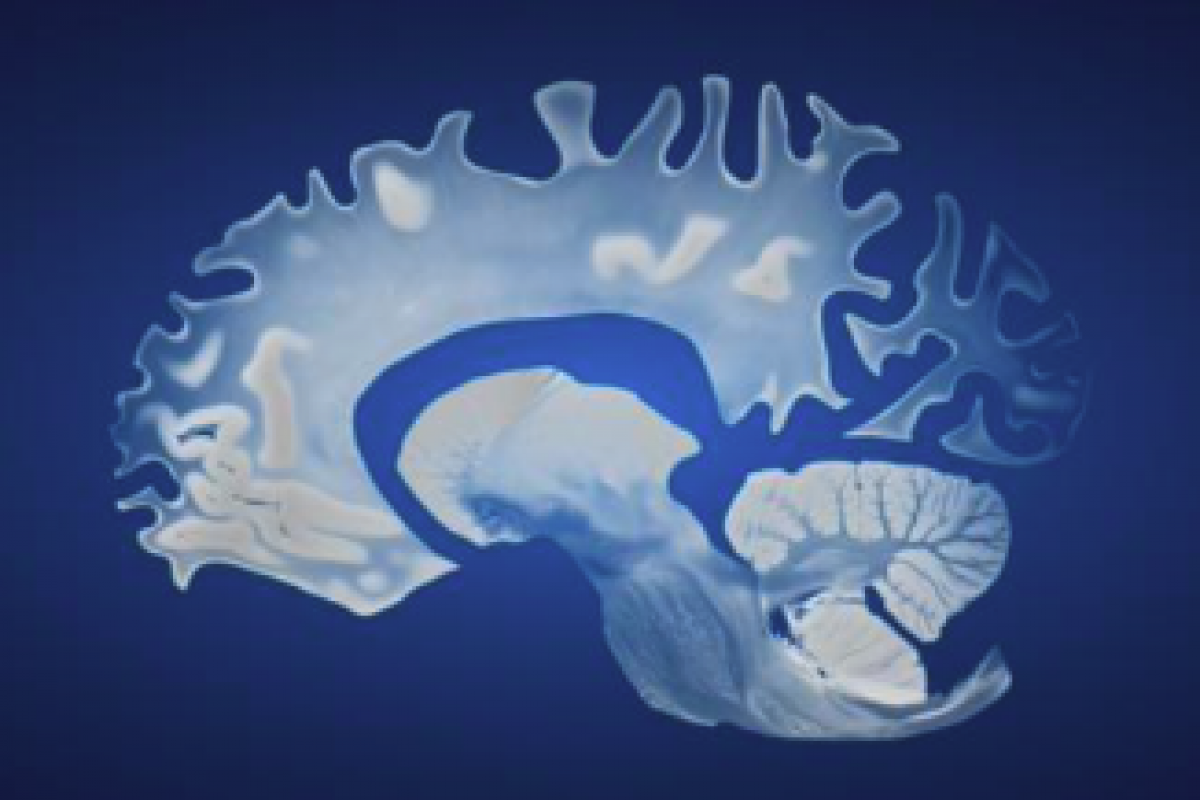
Across clinical practices, providers are seeing a clear shift in patient demand—less focus on reactive care, and a growing expectation for support in optimizing how patients think, feel, and function day to day. Brain fog, low motivation, poor focus, and chronic stress are no longer occasional complaints—they are becoming baseline concerns across a wide range of patient populations.
While traditional approaches may not fully address these concerns, a new category of therapies is gaining attention for its ability to work with the body’s natural signaling systems: neuropeptides.
What Are Neuropeptides?
Neuropeptides are small signaling molecules that act as messengers between the brain and body, influencing mood, cognition, stress response, sleep, and recovery. Rather than overriding physiology, they help regulate and support existing pathways—allowing the body to function more efficiently.
For providers, this represents a meaningful shift: instead of focusing solely on symptom management, neuropeptide-based approaches allow for support of the underlying communication systems that influence those symptoms.
Why This Matters in Today’s Patient Population
In clinical practice, this often presents as:
- Patients who “don’t feel like themselves” despite unremarkable lab findings
- High-performing individuals experiencing diminished focus or burnout
- Increasing interest in cognitive performance and longevity strategies
In many cases, these patients have cycled through traditional approaches with limited success and are seeking more comprehensive, systems-based options.
Where Neuropeptide Therapies Fit Clinically
Neuropeptide-based protocols are not a one-size-fits-all solution, but they may be incorporated to support:
- Focus, clarity, and cognitive performance
- Emotional balance and stress resilience
- Recovery from periods of chronic stress or burnout
- Neuroplasticity and overall brain function
For many providers, these therapies serve as a bridge between wellness optimization and clinical care, offering a more nuanced approach to patient support.
Commonly Utilized Neuropeptides in Clinical Practice
While the term “neuropeptide therapy” is broad, several compounds have gained attention for their potential role in supporting brain health and cognitive function:
Semax
Often utilized in nootropic protocols, Semax has been studied for its potential to support focus, mental clarity, and neurotrophic activity, particularly under conditions of stress.
Selank
Commonly incorporated into protocols focused on stress response, Selank may support emotional balance without the sedating effects associated with some traditional options.
Dihexa
A research peptide of growing interest, Dihexa is being explored for its potential influence on synaptic connectivity. Clinical use remains cautious due to limited human data and lack of long-term safety studies.
Cerebrolysin (peptide complex)
A combination of neuropeptides and amino acids that has been studied internationally in the context of cognitive support and neurological recovery.
DSIP (Delta Sleep-Inducing Peptide)
Often used in protocols addressing sleep quality, which plays a foundational role in cognitive function, recovery, and overall brain health.
Peptides on the Horizon: What Providers Are Watching
As regulatory frameworks continue to evolve, several peptides have been the subject of increased attention within compounding and clinical communities.
While availability and classification may shift, providers are actively tracking certain compounds due to their potential role in cognitive support and neuroplasticity.
These may include:
- Dihexa
- Semax & Selank
- Additional emerging neuropeptides under ongoing evaluation
As these therapies continue to evolve, providers who take a proactive approach—understanding mechanisms, clinical considerations, and appropriate use cases—will be better positioned to integrate them when and if they become more widely available.
A Note on Peptide Availability and Regulatory Status
Neuropeptides have been subject to increased regulatory attention in recent years, particularly within compounding frameworks. As a result, availability and classification may evolve over time.
For providers, this highlights the importance of:
- Staying aligned with current guidance
- Working with reputable pharmacy partners
- Avoiding reliance on outdated or informal sources of information
In a rapidly changing environment, access alone is not enough—clarity and accuracy matter just as much.
Where Training and Clinical Support Matter
As with any emerging category, implementation requires more than awareness—it requires structure.
Providers must consider:
- Patient selection and appropriateness
- Dosing strategies and protocol development
- Integration with existing therapies
- Ongoing monitoring and adjustment
Providers who engage in structured peptide education and ongoing clinical support are often better positioned to implement these therapies with confidence and consistency.
For those looking to build that foundation, structured education can make a meaningful difference.
MyPracticeConnect® offers peptide-focused training and ongoing clinical support designed to help providers understand dosing strategies, patient selection, and protocol development—so they can implement these therapies responsibly and effectively.
Learn more about MPC’s peptide training here: MPC Trainings
Looking Ahead: The Future of Brain Health
While many providers begin exploring neuropeptides in the context of performance and optimization, the conversation is continuing to evolve.
There is growing interest in how these pathways may relate to long-term brain health, neuroprotection, and cognitive resilience.
In Part 2 of this series, we’ll explore how neuropeptides and nootropic therapies are being discussed in the context of cognitive decline—and what providers should consider as this area continues to develop.
Expanding Responsibly in a Rapidly Evolving Space
A responsible approach to integrating neuropeptide therapies includes:
- Pharmacy Alignment: Partnering with compounding pharmacies that prioritize quality and compliance
- Protocol Awareness: Staying informed as classifications and availability evolve
- Clinical Oversight: Ensuring therapies are used within appropriate, individualized frameworks
In a space that continues to change, providers who prioritize both innovation and responsibility will be best positioned for long-term success.
Final Thought
Neuropeptides are not simply a trend—they reflect a broader shift toward supporting the body’s internal communication systems in a more precise and intentional way.
For providers willing to approach this category with both curiosity and clinical discipline, they offer a meaningful opportunity to elevate patient care while thoughtfully expanding the scope of practice.


