
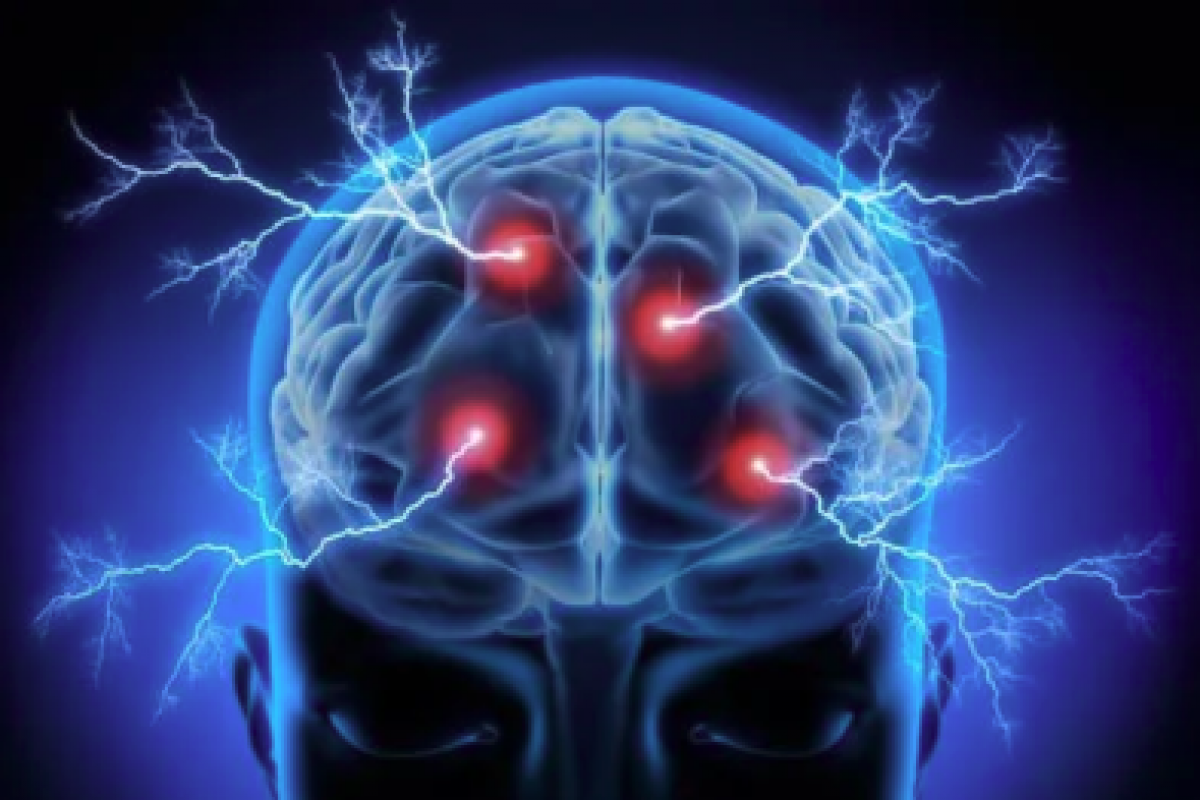
The future of functional medicine and mental health care is rapidly evolving, and providers are beginning to recognize a major shift occurring in healthcare. Topics once considered “alternative,” including hormone optimization, ketamine therapy, neuroplasticity, and psychedelic-assisted therapies, are now being openly discussed at national and federal levels. Recent federal initiatives and growing research interest have accelerated attention toward treatment-resistant mental health conditions, PTSD, cognitive health, and integrative approaches to care.
Patients Are Already Looking for More
Across the country, patients are becoming increasingly frustrated with symptom-based care that leaves them feeling unheard, exhausted, inflamed, disconnected, or mentally stuck.
They are asking deeper questions:
· Why am I still tired even though my labs are “normal”?
· Why do I feel emotionally numb or mentally burned out?
· Why is anxiety, depression, PTSD, and cognitive decline increasing so rapidly?
· Why do I no longer feel like myself?
Many are actively seeking providers who understand the connections between hormones, metabolism, nervous system regulation, mental health, and lifestyle medicine. Patients today are not only seeking longevity, but they are also seeking vitality, clarity, resilience, purpose, and quality of life. This is precisely why discussions surrounding hormones, neuroplasticity, ketamine-assisted therapy, nootropics, and psychedelic medicine are gaining traction.
Hormones Are About More Than Aging
Hormone optimization is no longer viewed simply as cosmetic or elective care. Providers are increasingly recognizing its potential role in sleep, cognition, mood, metabolic health, libido, recovery, and long-term vitality. Patients are often willing to invest in providers who can help restore function and improve quality of life rather than simply manage disease.
Psychedelic Therapies Are No Longer Fringe Conversations
Likewise, ketamine and psychedelic-assisted therapies are moving into mainstream medical discussion due to growing interest in neuroplasticity and their potential role in supporting patients with depression, PTSD, anxiety, trauma, burnout, and cognitive rigidity. Many forward-thinking providers now view these therapies not as standalone treatments, but as tools that may help create behavioral and neurological flexibility when combined with foundational lifestyle interventions.
The Most Forward-Thinking Providers Are Connecting the Dots
The future of medicine is likely to center around integrated care models that combine:
- Hormone optimization
- Lifestyle and metabolic medicine
- Nervous system regulation
- Neuroplasticity-focused therapies
- Sleep, nutrition, movement, and stress management
The goal is not simply longevity, but helping patients improve how they think, feel, function, and experience life.
For providers, this is an important time to learn, research, understand evolving regulations, and responsibly explore emerging therapies. The providers who educate themselves early and develop ethical, patient-centered frameworks may be best positioned as healthcare continues shifting toward integrative, functional, and neuroplasticity-based models of care.
Education Before Expansion
As provider interest in neuroplasticity, ketamine-assisted therapies, hormone optimization, and functional medicine continues to grow, education and responsible implementation matter more than ever.
For providers seeking deeper clinical understanding, structured training programs and hands-on mentorship opportunities are becoming an increasingly important part of safely integrating these emerging therapies into practice.
At MyPracticeConnect and the Institute of Mindful Medicine, we believe education should precede expansion—helping providers build confidence, clinical clarity, and patient-centered frameworks as this field continues to evolve.
The goal is not hype.
The goal is thoughtful, patient-centered care grounded in education and clinical integrity.
Because ultimately, the future of medicine may not simply be about treating disease.
It may be about helping people reclaim how they think, feel, function, and experience life itself.


